January 23rd, 2025
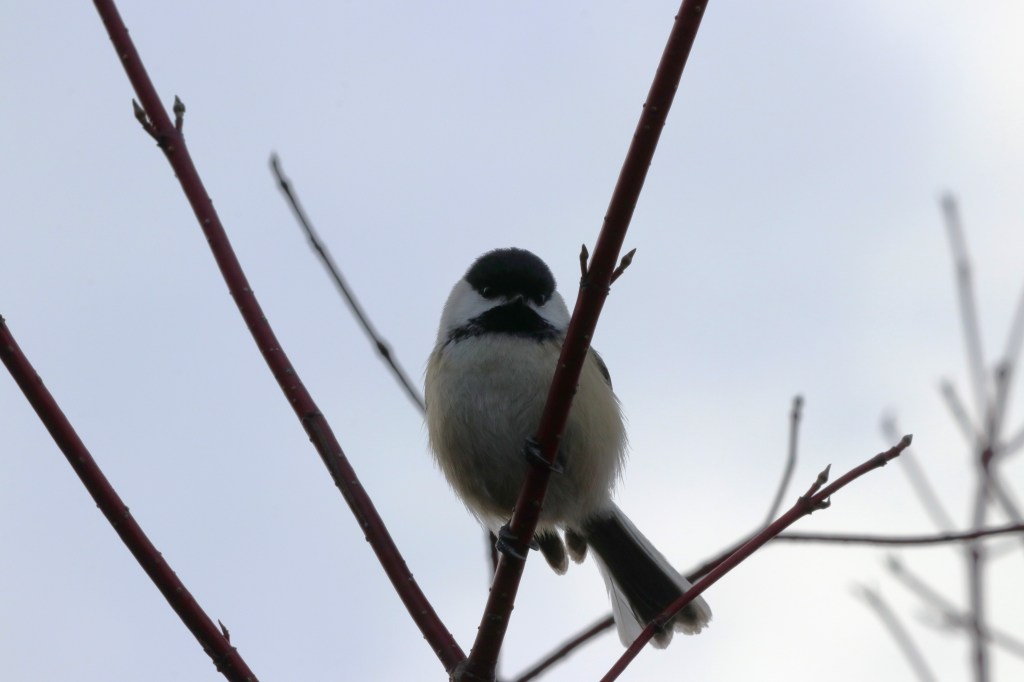
I’ve been in a bit of a birding slump this week. In my neck of the woods it has been nothing but dreadful Winter weather; snow, freezing rain, and temperatures well into the negatives. I don’t mind a day outdoors in the cold, but bad weather certainly has a negative impact on bird activity, and the enjoyment of the birder. Species diversity also plummets during Winter in the Northern Hemisphere, as many species migrate South in search of a warmer climate and more abundant food sources. Habitats can also change drastically, such as my favourite local ponds for spotting waterfowl, which have been frozen solid for weeks. Winter can be a difficult time for the birder, so in that spirit I’ve compiled some tips on locating birds in sub-zero temperatures, which will hopefully make birding this Winter a more enjoyable experience.
1. Use roads to your advantage
One great area to look for birds when the weather turns and typical habitats change is on the roadside. Not only can you take advantage of the warmth inside a car, but many bird species seek out wide open land as their preferred habitat, and because of this roads are a place where these species can be seen regularly. Any old suburban neighbourhood will do, but the best roads are country roads that are bordered with farm fields or woodlots, especially if there are powerlines. Powerlines and poles are used by all manner of birds as perching stations, everything from Pigeons and Doves to raptors are commonly seen here, even in Winter. Highways are particularly good for raptor viewing, the most common being the ubiquitous Red-tailed Hawk, but I’ve also caught fleeting glances at Cooper’s hawks, Merlins, and Kestrels. If your in Ontario, keep your eyes out for the Rough-legged Hawk, an uncommon Winter treat that stops in from the North at this time of year. I cannot recommend actively birding while driving however, especially on fast motorways, but sometimes you will catch something interesting perching on an exit sign, and its worth keeping an eye out while you’re out. For more dedicated birding time in a car, stick to going slow on quiet roads.
2. Find the water
I know, I know. I started this article with a complaint about how all my usual patch ponds have frozen solid. However, its almost always possible to find some open body of water, even in the dead of Winter. The cheat code is finding large bodies of water where overwintering waterfowl will congregate in large numbers. I’m fortunate to live alongside Lake Ontario which hardly ever freezes completely, and offers great views of birds from shore, especially with a spotting scope. The problem with the great lakes is the frigid winds that will blow across the surface and freeze you solid, your best bet to avoid the worst of this is setting out as early in the morning as you can. If you don’t live near huge bodies of water such as the great lakes, medium sized lakes may hold open water, but even better is a body of water with some current, such as a river. These are less likely to freeze completely and may still hold some good birds, especially if they are bordered by woodlot, offering habitat for winter songbirds as well. A phenomenon I’ve noticed is stormwater or wastewater outlets in small residential ponds often don’t freeze completely, despite the rest of the waters surface being solid. This might be a small hotspot in the Winter that is close to home, offering some birds and a quick retreat during a particularly cold day. A final suggestion in this category is to take a trip to a sewage treatment facility; interestingly, these are year round hotspots for birds and since they don’t freeze in the Winter, birds readily congregate here in large numbers. While potentially smelly, the steamy sewage might also have the benefit of a slightly warmer microclimate than the surrounding area.
3. Bring the birds to you
The best way to see birds when you don’t want to leave the house is to bring the birds to you. setting up a feeder in your backyard is a fantastic way to get great looks at your local birds, and help supply them with food during the harsh Winter months, all from the comfort of your own home. There are a few different considerations when setting up a feeder, but a brief rundown on the key concerns are as follows:
1. Set up at least 15-20 feet away from windows, to avoid windowstrikes. If you can apply dot stickers on your viewing window to help birds see it when they take flight, even better.
2. Make sure the feeder isn’t too close to bushes, trees, fences, etc. Birds prefer having these covers nearby to retreat to after taking food from a feeder, but if they are too close predators such as cats can ambush your songbirds while they are distracted eating, and opportunists such as squirrels may jump onto the feeder and eat most of the seeds.
3. Give your feeders a wash around once a week with soap and water. Unfortunately, sick birds may spread disease more easily at shared feeders. With diseases such as bird flu spreading more rapidly than ever in wild bird populations, one of the most important steps we can take to keep our local birds healthy is regularly cleaning any feeding stations we put out.
4. Dealing with ‘nuisance birds’. While I don’t personally have a big problem with natives birds utilizing my feeders, some people may find themselves overrun with various blackbirds such as Cowbirds or Grackles, or other competitive birds such as Mourning Doves that with bully smaller songbirds away from feeders. Another issue some people run into is a Hawk taking up residence near their feeder, and using it as a hunting ground, scaring away the desired songbirds. If you are attracting the wrong types of birds to your feeders, the best way to deal with this is to take them down for a couple weeks, let the birds move on to another food source, and then return the feeders. The local songbirds will come back.
That’s all for this week, hopefully the weather turns and birding activity picks up.
Until next time,
-David
 On The Wing
Leave a comment